Description
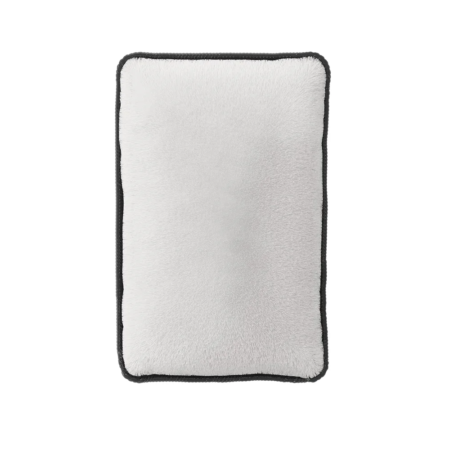
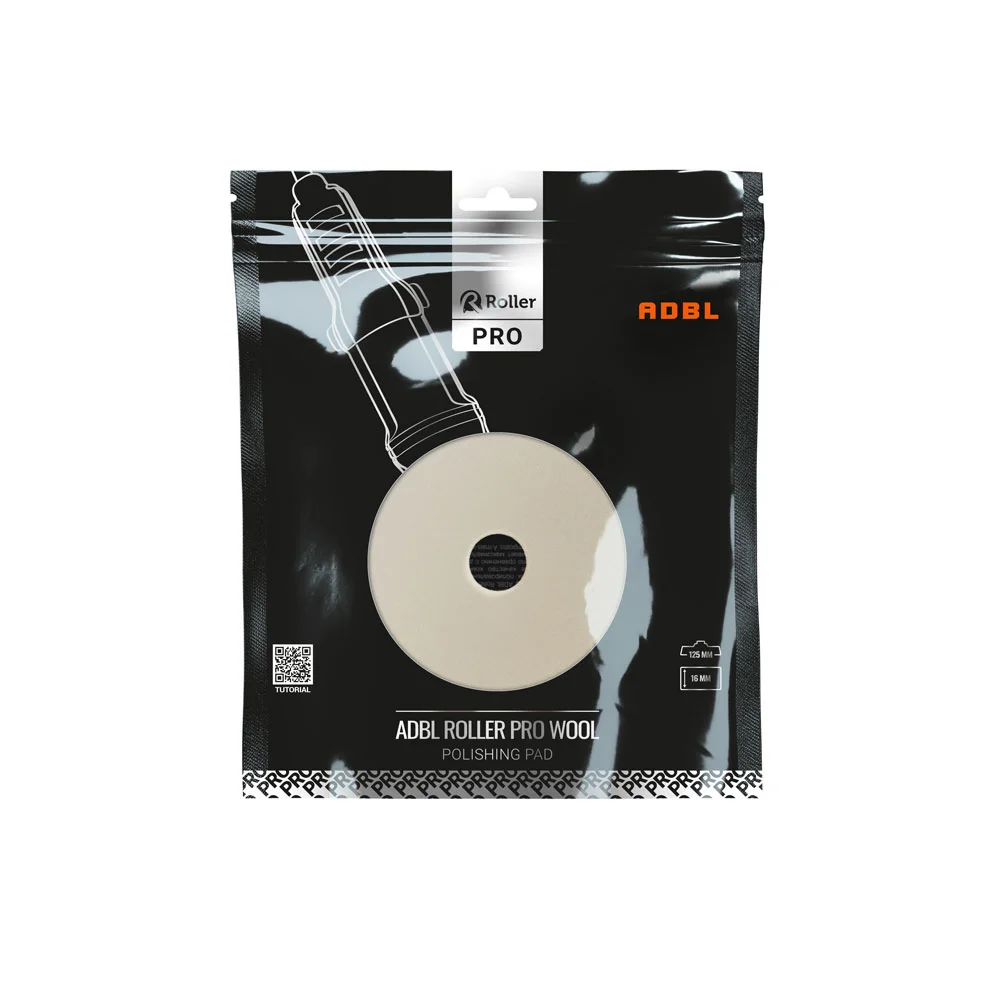
ADBL Roller Pro Wool 150 mm is a professional short-fibre wool polishing pad designed for intensive paint correction across larger automotive panels. Its strong cutting performance makes it particularly useful when tackling deeper scratches, paint haze, pitting and other significant defects that require more correction than a conventional foam polishing pad can efficiently provide.
The larger 150 mm format allows you to cover broad areas of paintwork more efficiently, while the flexible backing helps the pad conform to curved and uneven bodywork. ADBL also uses a specialised short-fibre wool construction designed to deliver effective cutting while reducing heat generation during machine polishing.
Why choose ADBL Roller Pro Wool 150 mm?
- Strong cutting performance – designed for substantial defect removal during heavier paint-correction work.
- Large 150 mm format – provides efficient coverage when correcting broad vehicle panels.
- Short-fibre wool construction – helps distribute polishing compound evenly while providing effective cutting action.
- Targets significant paint defects – ADBL specifically identifies scratches, haze and pitting among its intended applications.
- Reduced heat generation – the selected wool construction is designed to limit heat build-up during polishing.
- Flexible backing – helps the pad conform more effectively to curved and contoured automotive panels.
- DA and rotary compatible – ADBL specifies compatibility with both Dual Action and rotary polishing machines.
How to use
Thoroughly wash and decontaminate the vehicle before beginning machine polishing.
Inspect the paint under suitable lighting and carry out a test section before committing to a heavy wool-and-compound combination.
Centre ADBL Roller Pro Wool 150 mm securely on an appropriate backing plate and compatible polishing machine.
Apply your chosen cutting or polishing compound according to the compound manufacturer’s instructions.
Place the pad against the paint before starting the machine.
Work a manageable section at a time using controlled, overlapping passes. Keep the pad correctly positioned against the panel and use appropriate machine speed and pressure.
Once the polishing cycle is complete, wipe away the compound residue with a clean microfibre towel and inspect the corrected area.
Clean the wool fibres regularly throughout the job to prevent spent compound and removed paint residue from accumulating within the pad.
Once the required correction has been achieved, follow with a less aggressive polishing or finishing combination where additional refinement is required.
Prestige Detailing Tips
The main reason to choose the 150 mm Roller Pro Wool over the 125 mm version is efficiency on larger panels.
Broad sections such as bonnets, roofs and larger doors can take considerable time to correct. Where panel shape and your polishing setup allow it, the additional working area of the 150 mm pad can help you cover these surfaces more efficiently.
That doesn’t automatically make bigger better. A 150 mm pad requires sufficient working space and appropriate machine control. On tighter or heavily contoured sections, the 125 mm version—or one of ADBL’s smaller polishing pads—may provide better access and precision.
The basic choice is therefore:
125 mm → greater versatility and control
150 mm → greater coverage on suitable larger panels
Roller Pro Wool provides substantial cutting ability, so carry out a test section before committing to the combination across the vehicle. There’s no benefit in using an aggressive wool pad if a milder foam combination already produces the correction you need.
For heavier correction within the ADBL system, Roller Pro Wool can be paired with a cutting compound such as ADBL Hard Cut. Paint hardness, machine type, compound choice and technique will all influence the actual level of defect removal.
Keep the wool clean throughout the job. Spent compound and removed paint can accumulate between the fibres and alter the pad’s behaviour. Regular cleaning helps keep the fibres open and cutting performance consistent.
ADBL highlights reduced heat generation as a benefit of the selected wool construction, but this shouldn’t be interpreted as eliminating heat management. Continue monitoring panel temperature and avoid repeatedly polishing a stubborn defect without reassessing the paint.
Finally, expect to inspect and potentially refine the surface after heavy correction. Depending on the paint system, a wool-and-cutting-compound combination may leave haze or micro-marring. Follow with an appropriate foam polishing or finishing stage where necessary to restore maximum clarity and gloss.
Type: Short-fibre wool polishing pad
Primary use: Heavy paint correction on larger panels
Polishing stage: Cutting
Targets: Deep scratches, haze, pitting and significant paint defects
Machine compatibility: Dual Action (DA) and rotary
Pad size: 150 mm
Backing: Flexible interface
Catalogue reference: ADB000657
Prestige Detailing size: 150 mm