
Description
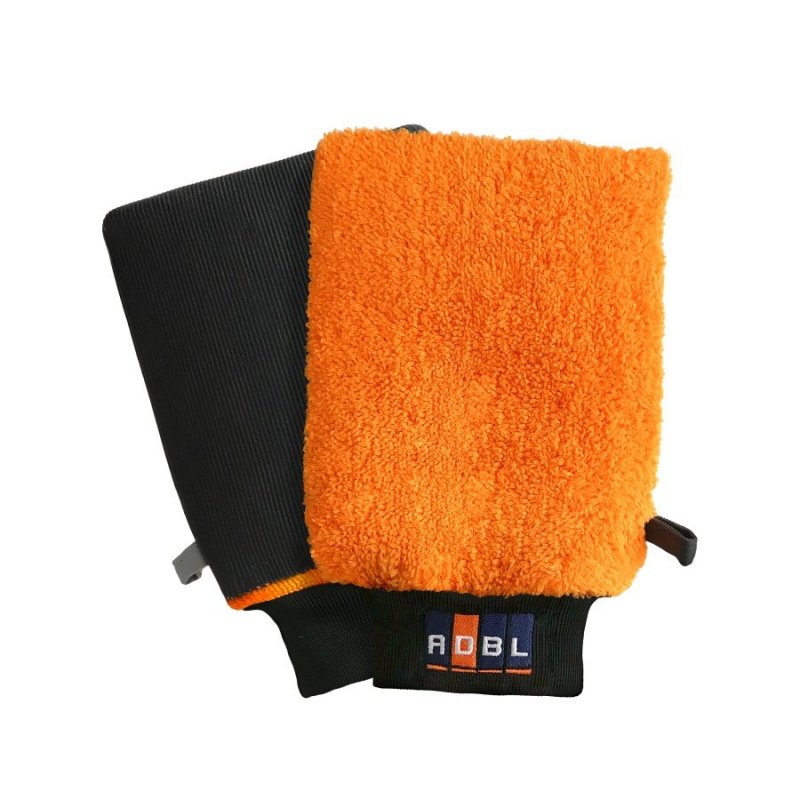
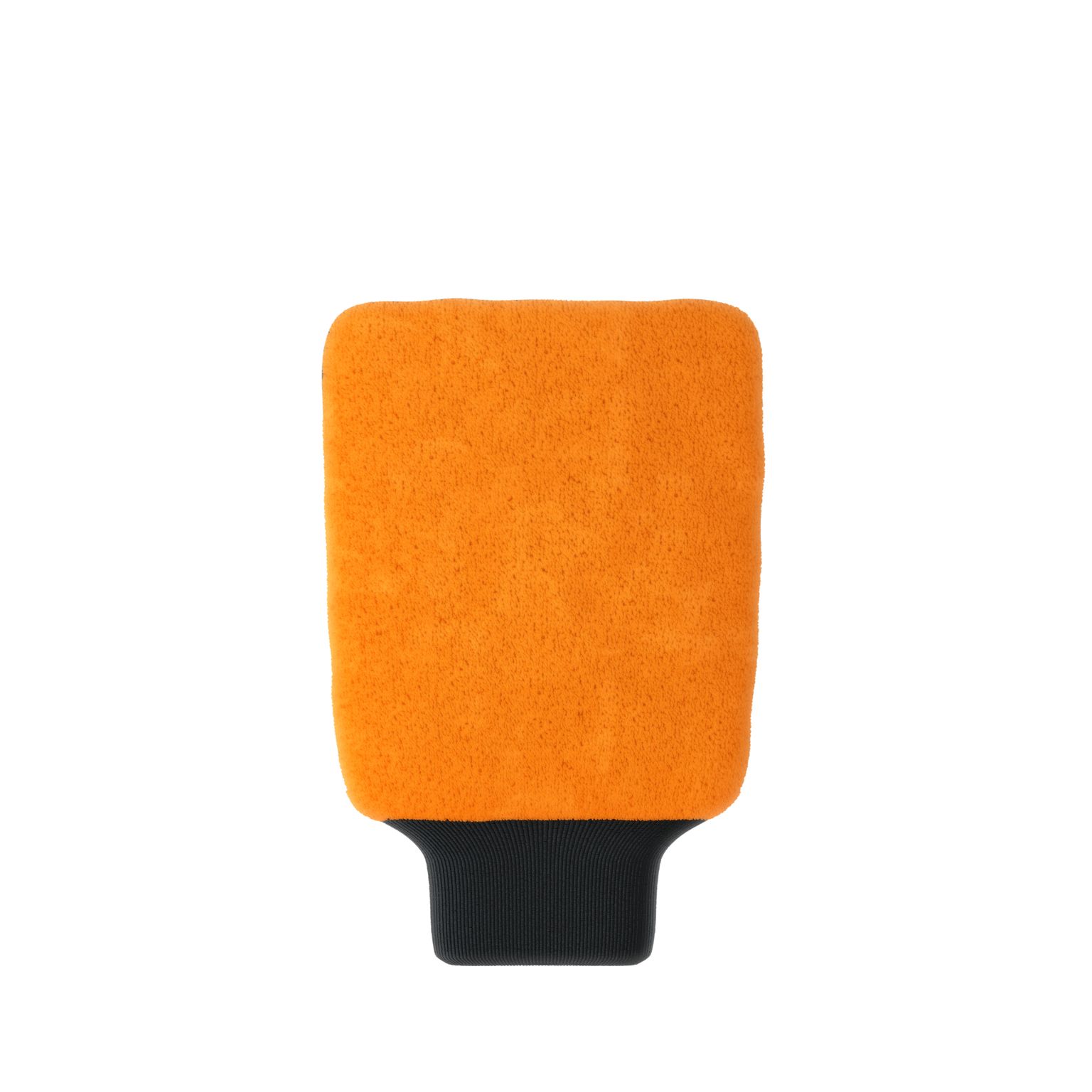
ADBL ClayMitt is a reusable synthetic clay mitt designed to remove bonded contamination from automotive paintwork and glass, offering a faster and more convenient alternative to a traditional detailing clay bar.
One side of the mitt incorporates a special polymer decontamination surface that glides across properly lubricated paintwork, picking up contamination that remains embedded after washing and chemical decontamination.
The result is a noticeably smoother surface that’s properly prepared for subsequent polishing or protection.
Unlike traditional clay, however, there’s no need to repeatedly knead the material as contamination accumulates. The ClayMitt can simply be rinsed regularly during use, making it particularly convenient when decontaminating an entire vehicle.
Perfect if…
- Your paint feels rough even though you’ve just washed the car – this usually indicates bonded contamination that ordinary shampoo hasn’t removed.
- You’re preparing your car for polishing – removing bonded contamination first gives you a cleaner surface before machine or hand polishing.
- You’re preparing paint for wax, sealant or ceramic coating – proper decontamination helps ensure you’re applying protection to genuinely clean paint.
- You find traditional clay bars slow or inconvenient – the mitt format allows you to cover larger areas relatively quickly.
- You want a reusable alternative to traditional detailing clay – the polymer surface can be rinsed during use and reused when correctly maintained.
- You’ve already chemically decontaminated the paint but it still doesn’t feel completely smooth – ClayMitt tackles the remaining contamination mechanically.
Why choose ADBL ClayMitt?
- Alternative to traditional clay bars – provides mechanical paint decontamination through a convenient mitt format.
- Polymer decontamination layer – designed to collect stubborn bonded contamination from the surface.
- Suitable for paintwork and automotive glass – useful across two major exterior surfaces.
- Large working area – the 18 × 15 cm mitt covers substantially more surface area than a small piece of conventional clay.
- Easy to rinse during use – contamination can be flushed away regularly as you work around the vehicle.
- Reusable construction – with proper cleaning, drying and storage, the mitt can be used again rather than discarded after a single decontamination session.
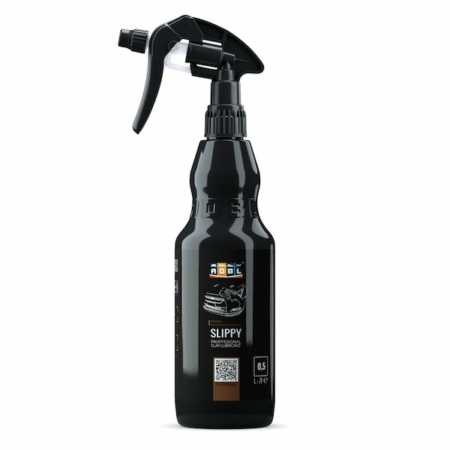
- Works with dedicated clay lubricants – pairs naturally with ADBL Slippy for controlled, well-lubricated mechanical decontamination.
- Useful within a complete decontamination process – particularly effective after iron and tar contamination have already been chemically addressed.
How to use
1. Thoroughly wash the vehicle
Begin with a proper contact wash to remove loose dirt and road grime.
Rinse the vehicle thoroughly but do not dry it.
Never begin claying a dirty vehicle.
2. Chemically decontaminate where necessary
If the paint has significant bonded contamination, we’d recommend carrying out the appropriate chemical-decontamination stages before reaching for ClayMitt.
For example:
ADBL Vampire Liquid → ferrous/iron contamination
ADBL Tar Remover Thixotropic → tar and bituminous contamination
Thoroughly rinse these chemicals away before proceeding.
Never use ADBL ClayMitt directly with solvent-based products such as tar removers.
3. Lubricate the surface
Apply a generous amount of ADBL Slippy to the panel.
There should be enough lubrication for the ClayMitt to move smoothly across the surface without grabbing.
Alternatively, ADBL ClayMitt can be used with ADBL Wash and Clay, following the appropriate dilution and instructions.
4. Work one section at a time
Move the ClayMitt gently across the lubricated paint using straight horizontal and vertical movements.
Avoid unnecessary pressure.
Let the polymer surface and repeated passes do the work.
As contamination is removed, you should gradually notice the mitt moving more freely across the surface.
5. Rinse the mitt regularly
Frequently rinse the ClayMitt in clean water while working.
This helps remove collected contamination rather than allowing it to remain trapped between the mitt and paint.
Continue working panel by panel until the surface feels appropriately smooth.
6. Rinse and wash the vehicle
Once decontamination is complete, thoroughly rinse the vehicle.
We recommend washing the car again before drying it, particularly if you’re moving on to paint correction or applying protection.
7. Clean the ClayMitt
Rinse the ClayMitt thoroughly with clean water after use.
Allow it to dry correctly before storing it in suitable packaging.
Do not expose the ClayMitt to temperatures above 40°C.
Related Products
ADBL Slippy – The most obvious partner for ClayMitt. It’s a dedicated clay lubricant designed to minimise friction between synthetic clay media and automotive paint.
ADBL Vampire Liquid – Removes ferrous contamination chemically before the ClayMitt stage, reducing the amount of contamination that needs to be removed mechanically.
ADBL Tar Remover Thixotropic – Tackles tar and bituminous deposits before claying. Make sure it is completely rinsed away before introducing the ClayMitt.
ADBL Inspector – Particularly useful if the decontamination process is followed by paint correction or coating preparation, helping remove polishing residue and oils before protection.
Prestige Detailing Tip
Don’t use clay to remove contamination that can be removed chemically first.
A ClayMitt is extremely useful, but it’s still a form of mechanical decontamination.
That means you’re physically passing a polymer surface across your paint to pick up contaminants.
Every unnecessary contaminant the mitt has to deal with increases the amount of mechanical interaction taking place on the paintwork.
That’s why, for a heavily contaminated vehicle, we’d normally follow this progression:
Safe wash → iron removal → tar removal → ClayMitt → polish/protect
For example, if the paint contains iron fallout, let ADBL Vampire Liquid dissolve as much of it as possible first.
If there are tar deposits, treat those separately with ADBL Tar Remover Thixotropic.
Only after those chemical stages have been completed and thoroughly rinsed away would we introduce the ClayMitt for the remaining bonded contamination.
There’s another reason for taking this approach.
Clay can cause marring.
Whether you’re using traditional detailing clay or a synthetic clay mitt, mechanical decontamination can potentially introduce light marring — particularly on softer paint.
That’s why lubrication is absolutely essential.
Don’t be stingy with ADBL Slippy.
If at any point the ClayMitt begins to grab rather than glide freely across the surface, stop and add more lubricant.
Likewise, don’t compensate by applying more pressure.
The objective isn’t to scrub the contamination away.
Use light pressure, plenty of lubrication and repeated straight passes until the surface becomes smooth.
You can check your progress by gently running your fingertips across the cleaned paint after rinsing. A properly decontaminated panel should feel noticeably smoother than it did after washing alone.
If you’re planning a machine-polishing stage afterwards, any very light clay marring can normally be dealt with during paint correction.
If you’re not polishing afterwards, work particularly conservatively.
Finally, there’s an important chemical compatibility warning:
Never combine ClayMitt directly with solvent-based tar removers.
ADBL specifically warns that solvent products can destroy the ClayMitt’s polymer layer.
Complete the chemical stage, rinse the vehicle thoroughly, and only then move on to mechanical decontamination.
Type: Synthetic clay / decontamination mitt
Primary use: Mechanical paint decontamination
Suitable surfaces: Automotive paintwork and glass
Construction: Mitt with polymer decontamination layer
Dimensions: 18 × 15 cm
Reusable: Yes
Lubrication required: Yes
Maximum temperature: 40°C
Recommended lubricant: ADBL Slippy / compatible clay lubricant
Do not use with: Solvent-based products